

Iyengar Yoga
WHAT IS YOGA?
Yoga is the ability to direct the mind exclusively toward one object and maintain that direction without any distraction. Sutra I.2 (Yoga-sutra of Patanjali. TKVDesikachar).
When we talk about Yoga, we could do so from many perspectives. We could say that the practice of Yoga helps us to objectify the mind, the senses, the body, the emotions, and the intellect. And in this process of self-inquiry, the cultivation and sublimation of the whole person results.
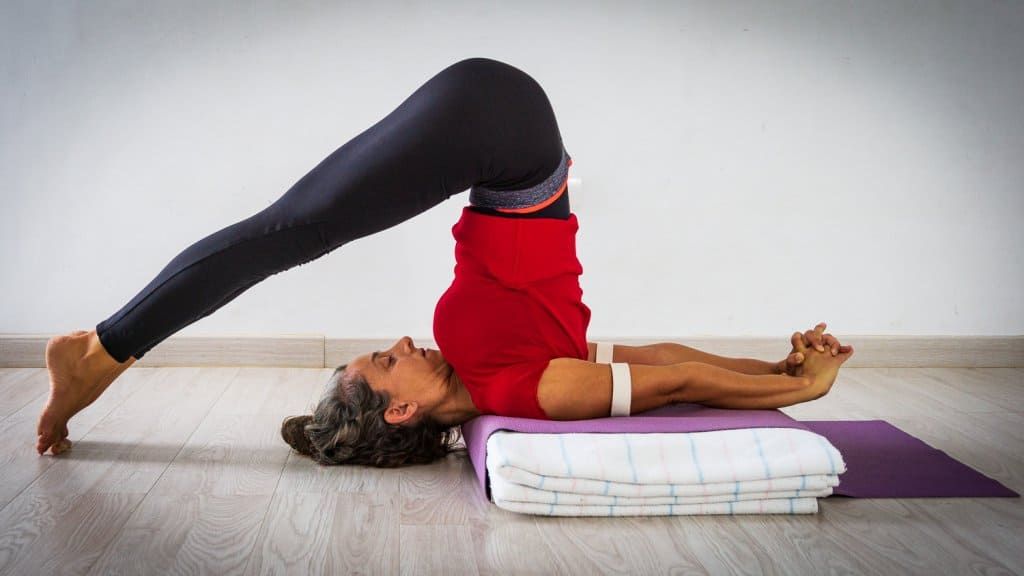
The practice of yoga demonstrates and teaches how the eight petals or limbs of Patañjali's Yoga are integrated: Yama (ethical principles in relation to society), Niyama (individual observations), Asana (postures), Pranayama (control of the breath), Pratyahara (withdrawal of the senses), Dharana (concentration), Dhyana (meditation) and Samadhi (absorption).
In our Yoga classes, the main focus will be on Asanas, Pranayama, and Pratyahara, which, in relation to the other stages of Yoga as we mentioned earlier, will help us advance in our development.
Through the practice of yoga, our health is maintained, tension and pain dissipate, and we gain mobility. The mind remains calmer, and as a result, tranquility and peace follow.
functional breathing
Incredible, but true: of all the animal kingdom, we are the ones who breathe the worst.
Just look at the proportion of diseases related (or co-related) to the respiratory system in our civilization today.
We all know that breathing is important, but very few people know how to breathe properly.
It is hardly ever taught and never promoted.
In addition to this sad situation, there are many false beliefs about "how" to breathe to cultivate our well-being.
By "good breathing" I mean functional breathing. It must have at least four characteristics:
1) Good oxygenation of the blood and tissues (gives us energy and vitality).
2) It has to respond and adapt immediately to the circumstances (external and/or internal).
3) It must allow access to good management of both the emotional (affective part) and cognitive (intellectual part) aspects.
4) It provides optimal and restorative sleep.
In functional breathing sessions (in group or individual classes), we take into account 4 aspects of breathing:
Biomechanics: the functioning of muscles and their relationship with body posture and the management of internal pressures.
Biochemistry: optimization of oxygenation through the management of carbon dioxide levels.
The neurophysiological one: activation of the parasympathetic autonomic nervous system through stimulation of the vagus nerve and cardiac coherence.
The psychological one: influence of mechanical, chemical and physiological changes on moods.
Our breathing is a simple yet profound link to that subconscious part of our psyche.
Freeing your breath has multiple benefits and what's even better: we always carry it with us... we always breathe.
With minimal information and maximum perseverance, everyone can experience the wonderful effects of good breathing in everyday life.
AliveFullness
ALIVEFULLNESS
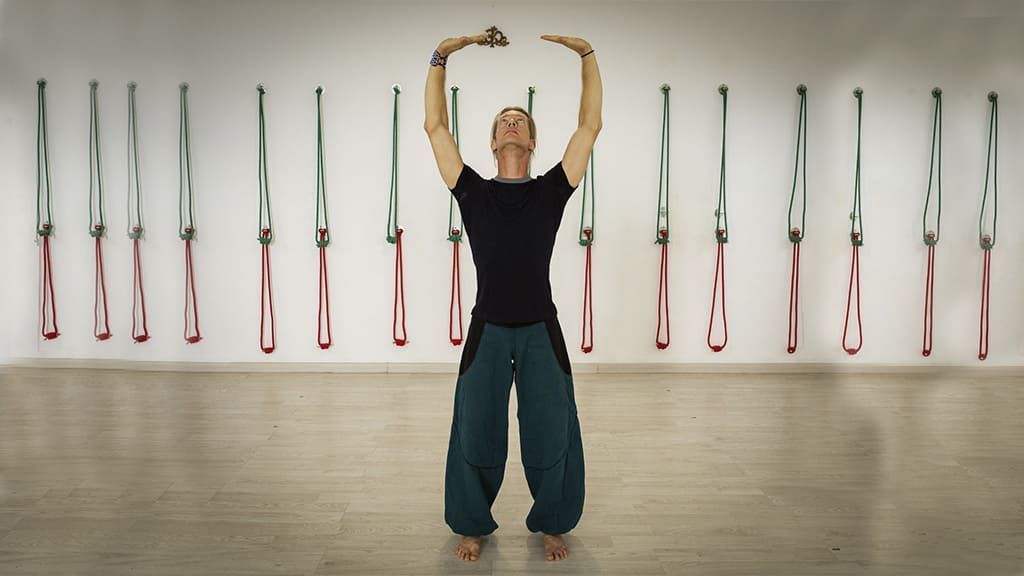
Literally, "AliveFullness" means:
In English, the word "Alive" means "to be alive".
“Fullness” means “fullness”.
BEING FULLY ALIVE is both the definition and the essence of what it's all about.
AliveFullness is a set of techniques and strategies, both physical and psychological, to improve our quality of life.
It's like a "toolbox" for cultivating our well-being and health. The concept of "health" as we understand it can be divided into 5 levels:
Physical level (the body itself).
Mental level (the psyche, the intrapersonal part).
Emotional level. (the affective aspect)
Social level (relationships, the interpersonal aspect).
Spiritual level (the transpersonal part).
In the more physical aspect, we practice exercises that help improve joint mobility, posture, breathing, flexibility, and relaxation. Acupressure and self-massage techniques are also used.
In the more psychological aspect, we work with visualization, affirmations, conscious self-suggestion, and other techniques such as Mindfulness (full awareness exercises), based on the latest discoveries in neuroscience, epigenetics, and quantum physics.
You can start practicing Alive Fullness regardless of age or physical condition. Whether it's for an athlete who wants to improve specific skills, a homemaker who needs to "do something" to improve her health, an elderly person whose abilities are declining, or anyone who needs effective tools to manage stress in daily life.
MEDITATION is an important part of this teaching.
AliveFullness for young people
AliveFullness classes for young people consist of a teaching that involves both the body and the mind.
In the body section, several types of exercises are practiced:
- martial arts (oriented towards self-defense) and adapted functional training.
- Psychomotor skills involving: stretching, joint mobility, coordination, laterality, balance, stability and postural control.
- breathing.
The mental exercises we practice are:
- concentration (visualization).
- relaxation.
- of emotional intelligence.
- transmission of constructive values (respect, sociability, responsibility and personal image).
The intention is to contribute to the mental (intellectual/cognitive), emotional (affective) and physical (kinesthetic) development of young people to allow them to evolve in their knowledge, skills and competencies in their present and future life.
The age for the classes is usually between 8 and 15 years old.
Hypopressive Gymnastics
Hypopressive Abdominal Gymnastics
The concept of “hypopressive” refers to a lack of pressure or a decrease in intra-abdominal pressure.
Etymologically, “Hypo” comes from Greek and means: “low”; “presio” comes from Latin and alludes to “pressure”.
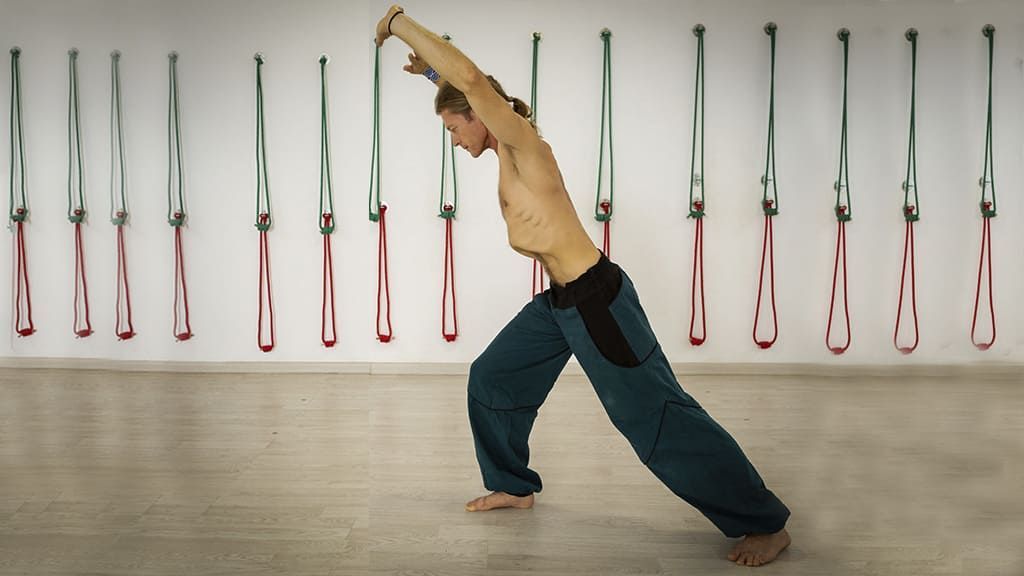
Hypopressive gymnastics is a holistic technique based on postural and breathing exercises with a specific training methodology. The essential theoretical principles are: axial stretching, cervical elongation, active expansion of the shoulder girdle, and rib cage expansion during expiratory apnea.
Applying these principles to a wide variety of postures and movements has the following benefits:
Toning the abdominal and perineal muscles, as well as providing lumbopelvic protection.
Improve awareness of posture, breathing, vascularization and management of intra-abdominal pressures.
Prevent (and improve) hernias, urinary incontinence symptoms, and prolapses.
Significant waist reduction.
It improves sexual function.
Although this technique originated thousands of years ago in Yoga, it was once practiced in the field of bodybuilding. Thanks to a Belgian doctor, it has regained popularity, particularly in postpartum recovery. Now, it can be practiced by a wide range of people: from high-performance athletes to those recovering from surgery, and anyone wanting to improve their physique and boost their health and vitality.
Psychology consultation
PSYCHOLOGY CONSULTATION
Among the services we offer is a psychological support consultation.
This service consists of applying different knowledge and practices at the level of psychology to help people improve their quality of life.
At Karuna, we are oriented towards humanistic and transpersonal psychology. The main characteristic of this branch of psychology is that we focus on the resources and skills that can help a person alleviate suffering at a mental and emotional level.
Although it can sometimes be helpful to delve into a person's past to investigate old traumas, in our case we prefer to place more emphasis on their present to design a better future, using the teachings provided by the latest discoveries in new sciences such as epigenetics, neuroscience, or quantum physics, since all these new sciences point towards possibilities and move away from old dogmas.
Through mutual dialogue, we strive to offer an alternative to the perceptions that prevent individuals from thriving. We work together to replace misconceptions with a more constructive self-image and a more positive relationship with emotions and thoughts, thereby enhancing personal resources.
Pilates
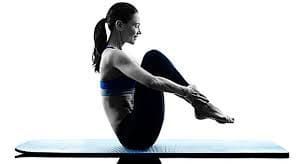
WHAT IS PILATES?
The Pilates method is a gentle form of exercise, a postural correction technique that helps correct ailments due to bad body habits and reduces physical tension as well as the level of stress.
It is a training method based on toning the deep muscles of the body.
Through the application of essential principles, such as concentration, centering, control, and breathing, simple movements are performed that help to awaken and develop body awareness in order to enhance the natural self-regulation mechanisms (homeostasis) of the body/mind system.
It is a very effective technique; however, it is not complicated to learn, and with clear and direct instructions, you can experience a profound and lasting change in a short time.
The benefits are felt quickly (between 1 and 5 sessions), both at the physical level (strength, balance, flexibility, coordination) and at the emotional and mental level (greater self-esteem, confidence, tranquility, self-control, concentration and relaxation).
Workshops and Courses
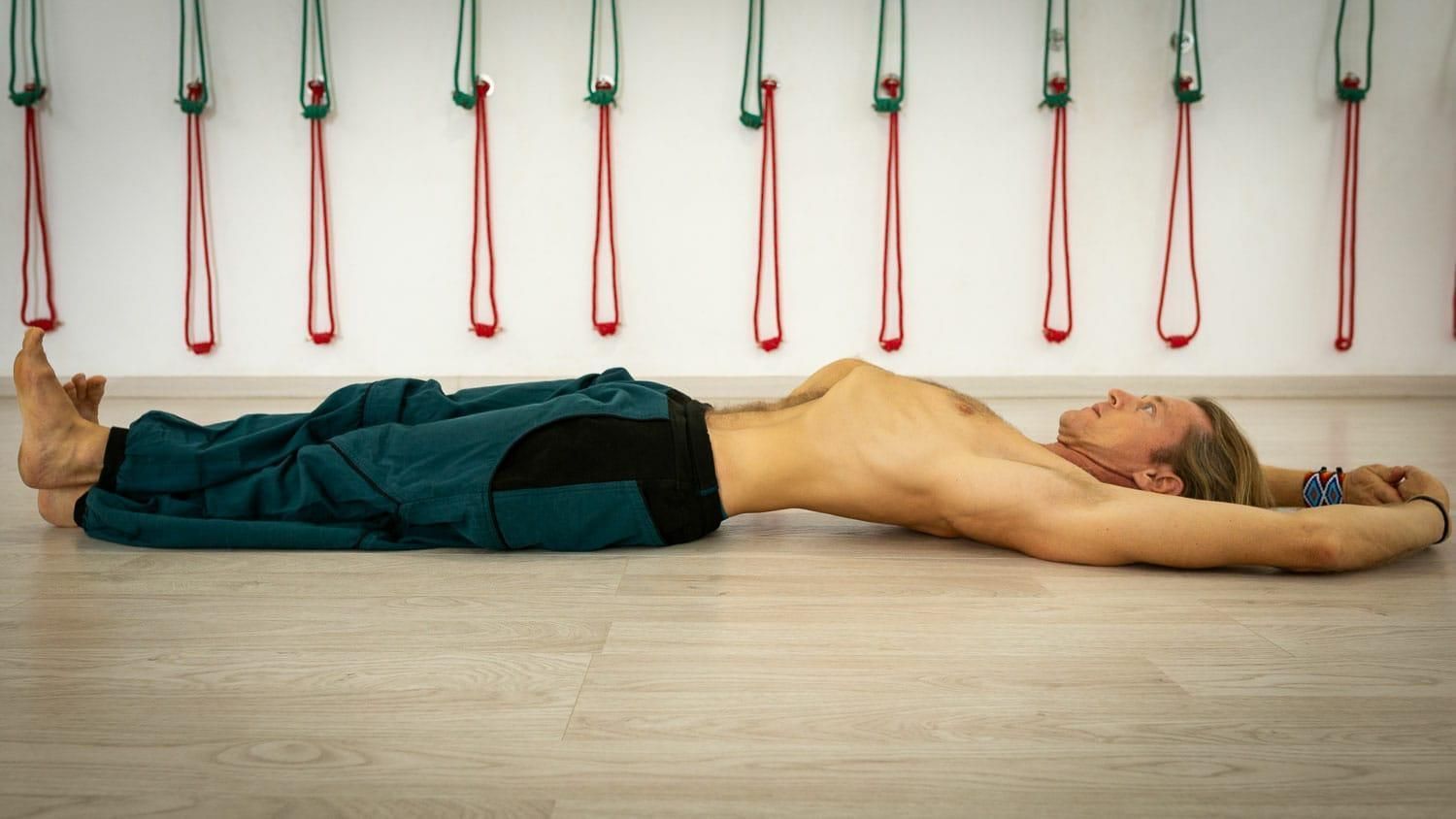
Hypopressives.
Saturdays from 10:00 to 14:00. (Registration open) Theoretical content: - Anatomy and physiology of respiration. - Key points of posture.
Practical exercises to improve functional training.
Talleres AliveFullness.
They are offered regularly, with registration for small groups of 4 or more people. Dates are arranged with the groups.
Work aimed at the body and mind. Through theoretical explanation based on traditional Eastern currents and contemporary Western sciences.
CHI KUNG
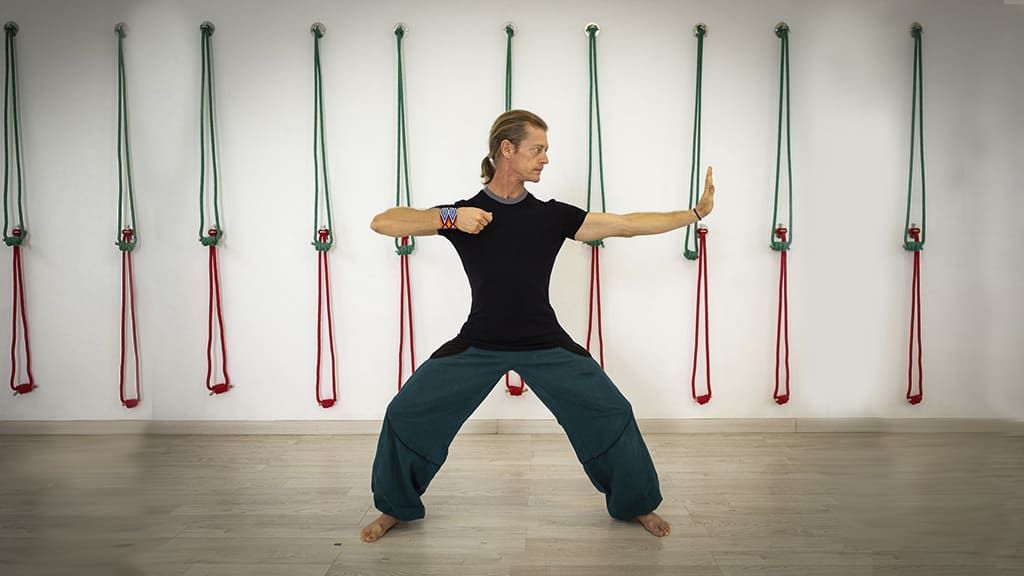
¿QUÉ ES TAICHI?
El Tai Chi es una enseñanza milenaria que proviene de las Artes Marciales Chinas y cuya práctica promueve la Salud del cuerpo como la Mente.
Los pilares de esta escuela de Tai Chi (escuela derivada del estilo “Chen” llamada “Hun Yuan” – que significa “principio de la materia“) contiene 3 partes:
La parte marcial (defensa personal)
La parte terapéutica (parte que incluye ejercicios taoístas y de Chi Krung)
La parte espiritual (técnicas meditativas)
En la práctica, los movimientos suaves y fluidos favorecen la consciencia corporal : equilibrio, coordinación, relajación. También potencia la concentración mental la vitalidad global, reduciendo el nivel de estrés y ansiedad.
Se puede empezar a cualquier edad, independientemente de la condición física.
Tai Chi
WHAT IS TAICHI?
Tai Chi is an ancient teaching that comes from Chinese Martial Arts and whose practice promotes the health of both body and mind.
The pillars of this Tai Chi school (a school derived from the “Chen” style called “Hun Yuan” – which means “principle of matter”) contain 3 parts:
The martial arts aspect (self-defense)
The therapeutic part (part that includes Taoist and Chi Krung exercises)
The spiritual aspect (meditative techniques)
In practice, smooth, fluid movements promote body awareness: balance, coordination, and relaxation. They also enhance mental focus and overall vitality, reducing stress and anxiety levels.
You can start at any age, regardless of physical condition.
Guided Meditation
In our meditation sessions, we use breathing exercises, concentration, visualization, and relaxation techniques. These facilitate a deeper connection with oneself, fostering awareness of automatic thoughts, developing greater self-acceptance in the present moment, and improving mental and emotional management, among other benefits.
Meditation classes are held once a month, call us and we will let you know when the next session will take place.
Visit our center. We are located in San Isidro.
Martial Arts (Self-Defense)
MARTIAL ARTS
By "martial arts", we understand not only a system of self-defense, but also a practical philosophy applied to everyday life.
At the level of strict self-defense, we aim to prepare the practitioner for a real-life confrontation. This means we practice exercises for various ranges: legs, fists, knees, elbows, holds, joint locks, throws, hand-to-hand combat, and ground fighting. We also include the use of weapons such as sticks, canes, knives, and everyday objects (like keys, magazines, bottles, backpacks, etc.).
Besides physical and technical preparation, we emphasize psychological preparation. Not only does aptitude (the various physical skills and abilities) matter, but attitude (emotional and mental predisposition) matters even more.
Especially in practice with the youngest (the “Kung Fu for children” - from 5 to 15 years old - approximately -).
The difference we make between martial arts for adults and children is that, in the case of children, we place much more emphasis on moral discipline and emotional control. For them, the goal is not to encourage aggression, but to foster impulse control and communication skills for conflict resolution, thereby enhancing self-confidence and empathy towards others.
PERSONALIZED TRAINING
PERSONALIZED TRAINING
Personalized Training (PT) is intended for people who have a specific goal (such as starting or increasing their competence in a specific technique, preparing for a test or competition, improving their overall health or a specific aspect) or for people who require exclusive attention from a trainer to more effectively achieve the desired results.
Within the EP we include the possibility of forming small groups (initially up to a maximum of 3 people) as long as the objective is common (such as: Losing weight, improving physical condition, concentration, increasing strength, flexibility, or learning to better manage stress and be more relaxed, etc.).
The schedules, frequency and duration of the classes, as well as the conditions, will depend on mutual agreement and according to the type of service and timing of the training.
Yoga for pregnant women
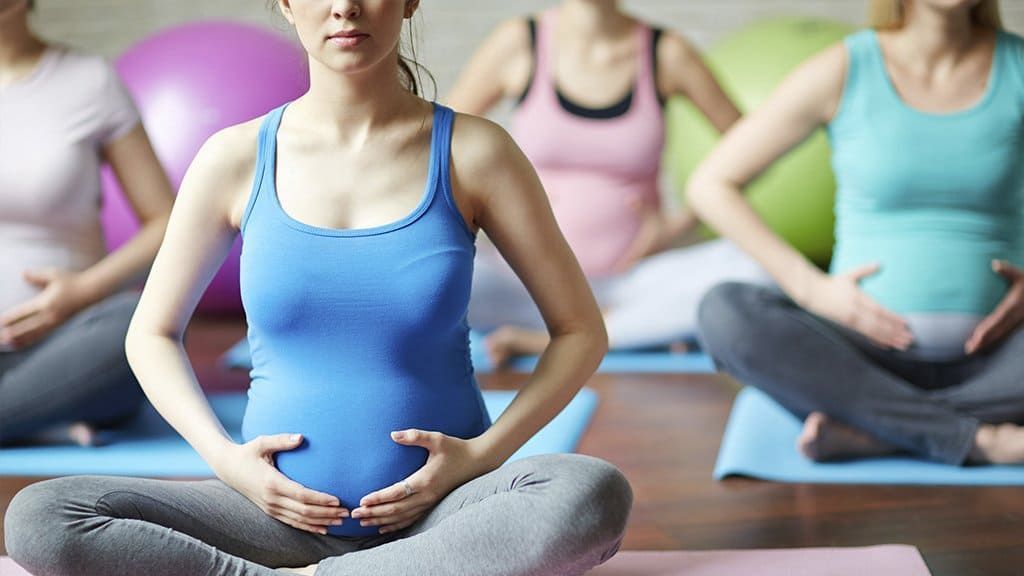
YOGA FOR PREGNANT WOMEN
“In every living cell there is a spark of consciousness. As the baby begins to take physical form, the sparks of consciousness in each cell unite, igniting self-awareness in the baby. This flame of consciousness, known in Ayurveda as agni, grows ever brighter as the degree of biological complexity increases. The fire is fanned by the action of the essential life force known as prana, while the essence of biological integrity, or ojas, organizes the cells into a cohesive, unified system.”
Pregnancy is a very special stage in a woman's life, accompanied by numerous physical and emotional changes. Our posture changes, and respiratory, lumbopelvic, vascular, visceral, and urogynecological changes occur. Practicing yoga during this period will help us integrate these changes and experience a healthy pregnancy.
Prenatal yoga is a great complement to physical preparation for childbirth and will help you have a better postpartum recovery. Our classes are specifically designed for this period and are taught with care and respect for the physical and emotional needs of expectant mothers.
Before starting, we recommend consulting your gynecologist to determine if the exercise is suitable for your specific situation. Generally, prenatal yoga is not contraindicated, although there are specific cases where pregnant women require special attention. In prenatal yoga classes, it is recommended to perform only postures that are appropriate for pregnancy. Therefore, these classes are exclusively for pregnant women and are conducted in small groups or individually.